
Floors
Hardwood floors
Sunlit boards fade or darken unevenly, and rugs leave a visible outline. Film slows the change across the whole floor.
UV & fade protection film
Clear window film that blocks 99% or more of UV, so floors, rugs, furniture and art fade far more slowly, and your rooms keep their light.
Quick answer
UV protection window film is a clear or lightly tinted film applied to the inside of a home’s windows that blocks 99% or more of ultraviolet light, one of the main causes of faded hardwood floors, rugs, upholstery and art. Because visible light and heat also cause fading, film slows it rather than stopping it; films that also cut heat and light slow it more. Texas Tinted installs 3M™ and HITEK films on Houston homes.
You bought the house for the light. Then the rug in front of the patio door started to fade on one side, the sofa arm went pale, and the oak floor shows a ghost outline wherever furniture used to sit.
Window film keeps most of the daylight and blocks nearly all of the UV. Clear films like 3M™ Prestige do it without changing how the room or the house looks.
Floors, furniture and views behind filmed glass.
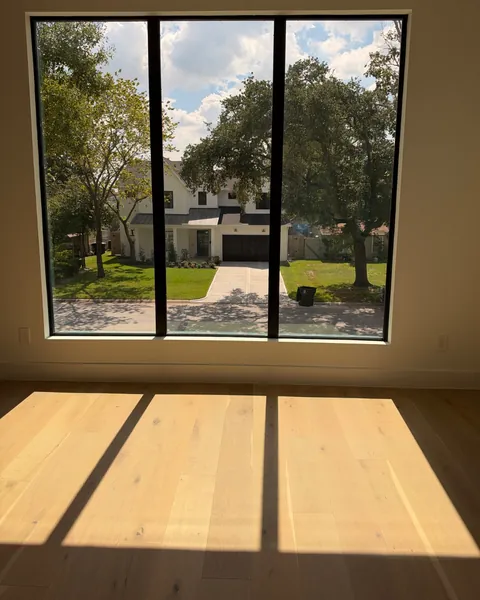
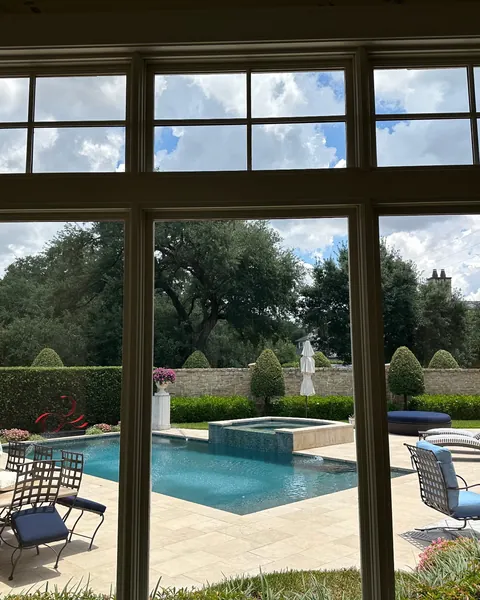
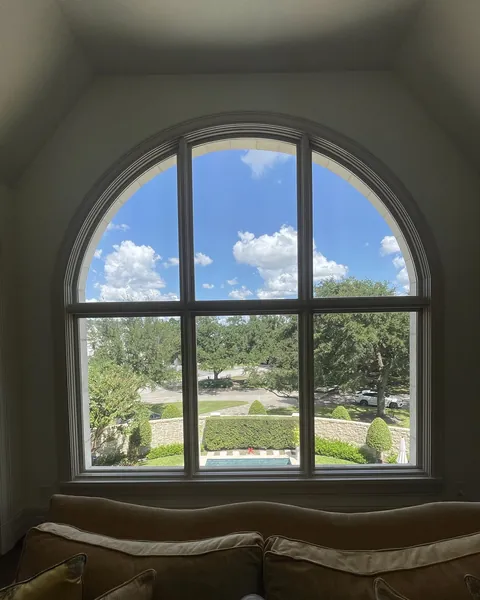
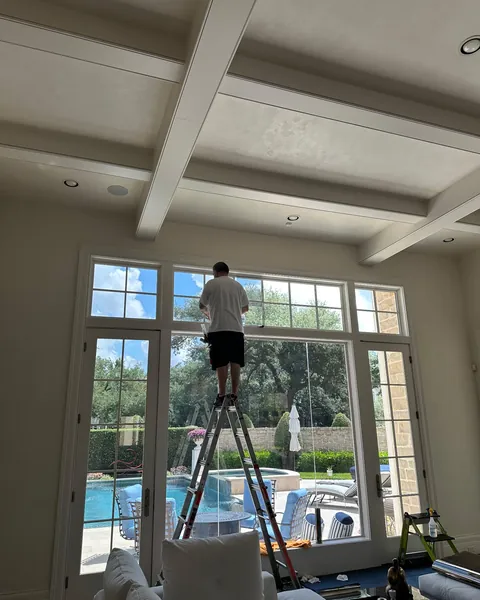
Floors
Sunlit boards fade or darken unevenly, and rugs leave a visible outline. Film slows the change across the whole floor.
Fabrics
Sofas and rugs in front of west and south windows lose color first, often on just one side.
Art
Prints, watercolors and photos are among the most light-sensitive things in a house.
Finishes
Painted and stained finishes near big kitchen and family room windows change color over time.
Furniture
Heat and light dry out leather and bleach wood in the sunniest spots.
Shades
Curtains and shades take the full sun every day. Film helps them last longer too.
| Cause of fading | Share of the problem | What film does |
|---|---|---|
| Ultraviolet (UV) | A leading cause, especially for dyes and finishes | Quality films block 99% or more |
| Visible light | Also fades many materials over time | Darker films let less through; clear films let most of it in |
| Heat | Speeds up the damage and dries out wood and leather | Solar films reject part of the heat |
| Humidity and materials | Some dyes and finishes fade faster than others | Nothing; it’s the material |
This is why film slows fading but can’t stop it entirely. More light and heat blocked means slower fading.
For the room you care about most, we bring samples so you can see how much light each film keeps.
Clear films keep the view and the color of your rooms nearly the same, and most guests won’t notice them. Darker films slow fading more but make the room dimmer and the glass darker from the street.
Need it to look unchanged from outside for an HOA or deed restrictions? Low-reflective films are the easiest to approve. HOA and historic district rules.
Our prices
Home window film is priced by the square foot of glass: about $4–6 per square foot on larger projects and $12–14 per square foot on smaller jobs, with a $500 minimum per job. The more glass you film, the lower the price per square foot. The film matters too: decorative and privacy films generally cost less than solar control films. Your estimate shows the exact price for your windows and the film you choose.
Most homeowners start with the windows that cause the problem: the west and south sides, a hot upstairs room, or the patio doors. Because of the minimum, it often makes sense to do a whole side or a few rooms at once.
Glass safety first: we check each window’s glass type (single-pane, dual-pane, low-e, tinted, tempered, laminated) against the film manufacturer’s film-to-glass guidelines before recommending a film. Some films add heat stress to certain glass, and the right match protects your windows.
Related: heat control film · high-rise condo tinting · how to choose film for a Houston home.
It slows fading. Film blocks 99% or more of UV, a leading cause, but visible light and heat also fade floors, so films that cut those too slow it more.
It can be. Clear films like 3M Prestige block 99% or more of UV while letting in up to 70% of visible light, so the room looks nearly the same.
It helps by blocking nearly all UV and some light and heat. For valuable pieces, combine film with UV-filtering framing glass and keep them out of direct sun.
No. Start with the windows that put direct sun on floors, furniture and art, usually on the west and south sides.
Home window film is priced by the square foot of glass: about $4–6 per square foot on larger projects and $12–14 per square foot on smaller jobs, with a $500 minimum per job. The more glass you film, the lower the price per square foot. The film matters too: decorative and privacy films generally cost less than solar control films. Your estimate shows the exact price for your windows and the film you choose.
Send your window sizes or a few photos through our estimate form and we’ll price the film for you, no visit needed. Prefer to talk it through? Call or text (832) 492-5314.